

Visitor attraction and day out tourism trends 2026/2027

Updated: May 21
It's been a minute since I did a proper look-ahead to what might influence consumer behaviour for the 12-18 months ahead. Every December and January my inbox fills up with the same trend reports. Wellness, authenticity, immersive, personalisation. Not untrue, but also not overy useful unless it’s relevant and you know what to do with the insight.
So here’s my own take. I’m not saying it’s spot on and it’s definitely not fact, but it’s also not buzzwords for the sake of it. My thoughts are based on consumer behaviour and the moods that are grabbing people’s attention to the extent that they’re willing to go and seek out things to do relatable to that theme.
I’ve pulled out the bits that I think matter if you run a visitor attraction in the UK. The thread running through all of it is the same one I bang on about constantly: people don't visit because of who they are. They visit because of the moment they're in. Get the moment right and the rest follows - habits over demographics.
Ready?
First, the money (or lack it) part
Before anyone gets carried away with K-pop and geocaching, the numbers need saying out loud. Visits to England's attractions rose just 1.4% in 2024 and are still sitting around 27% below pre-pandemic levels. The modest growth that did happen was driven almost entirely by overseas visitors - domestic visits actually fell which is still surprising considering the cost of holidaying abroad and the bounce back you’d expect with more Brits holidaying at home.
And the average tourism day-trip spend crept up to about £53 per person, but two-thirds of UK consumers still describe themselves as cautious or cutting back.
What that actually means: the home audience is still nervous about money, and they're saying no more than they're saying yes. Which means in 2027, the attractions that win won't be the ones shouting loudest about features. They'll be the ones who understand exactly what makes a hesitant person finally commit. A recent talk by Alex Caley of Continuum Attractions at The BALPPA Marketing Seminar really echoed a sentiment that I talk about a lot - market to a trigger and not a struggle. Focus on the emotive connection not the product detail.
Right. That’s out of the way, here's where the opportunity actually is.
1. The trip is now the event not the other way round
This is the big one, and I think it’s an actual shift that we can utilise. For decades, an attraction was something you added to a trip. Now the single experience is the trip. Kayak's 2026 research found a staggering 97% of Gen Z and Millennial travellers plan to travel for a major event - a concert, a festival, a one-off - and they're explicit that the event isn't the reason for the trip, it's the entire trip. Gen Z is increasingly building a whole journey around one standout experience: a restaurant, a trail, a film festival, one anchor that turns a day out into a story.
What can you do with this? Stop thinking of yourself as one stop among many. Yes, there are still inbound visitors especially from the Asia market who are working with their travel agents on carefully curated itineraries, but the bread and better domestic opportunity is massive and you can be the star attraction.
Start engineering the headline reason someone clears their whole weekend. What's the single thing at your attraction worth travelling for? Not your list of facilities. The one moment. If you haven’t read the book called The One Thing by Gary Kellar, it’s a must read by the way. Build the marketing around that, give it a name, give it a date, make it feel like a thing you'd be silly to miss. A reason-to-visit beats a list-of-things-to-do every single time.
2. K-pop Demon Hunters, and the licensing wave you can actually ride

You know I love this one. Pop-culture licensing has gone from nice tie-in to a genuine economic force. The so-called "BTS effect" is real enough that when a major group plays London or Manchester, local hotel occupancy within five miles can hit 98%, and that spend is now spilling into K-pop cafes and merch pop-ups. Franchise-led attractions - from Harry Potter studio tours to K-pop experiences are predicted to be among the very top draws into 2026 and beyond.
The bit most UK operators are missing: Netflix's KPop Demon Hunters did something fascinating - it pushed the audience for Korean culture out from die-hard fans into the general public. That's the pattern with every license. A film or a show drags a niche into the mainstream, and suddenly there's a wave of perfectly normal families who want a flavour of it on a Saturday.
What can you do with this? You don't need to license BTS. You need to spot the cultural wave and find your honest, local angle on it. A Korean street-food weekend. A dance-class taster. A photo trail themed around whatever your audience is currently obsessed with. The trigger here is fandom - the specific, slightly euphoric feeling of being part of something with other people who get it. If you can give a fan even a small, authentic version of that, you've got a sold-out event. The mistake is being po-faced about it because it doesn't feel "heritage" enough. Relevance beats prestige.
3. TikTok as the booking counter not just the shop window
For a few years TikTok has been where people discover a day out. That's old news. What's changed is that the gap between "ooh" and "booked" has basically vanished. TikTok GO now lets people book attractions and experiences directly inside the app, through partners like GetYourGuide, Viator and Tiqets. Discovery, decision and transaction are collapsing into a single thirty-second scroll. As I write this, it’s live in the US, but the UK is set to follow shortly.
Two findings from this that should change how you brief your content. First, travel videos get roughly 40 times more saves than comments - a save is intent, it's someone planning. Second, half of the top-performing travel videos came from creators with fewer than 10,000 followers. You do not need a celebrity. You need the right thirty seconds. And the platform's even leaning into your sector specifically - its International Museum Day activation and #MuseumTok show culture venues are very much in the frame.
What can you do with this? Make content built to be saved, not just liked. Saveable means useful: the exact thing to do, the best time to come, the one photo spot, the bit kids actually love. Stop making glossy brand films and start making the genuinely handy fifteen-second clip a parent forwards to their group chat with "shall we?" That forward is worth more than any ad. And make sure that when the moment of "yes" arrives, booking is one tap away - because increasingly it'll happen without anyone ever visiting your website.
4. Wellbeing grew up and it's communal now
Wellbeing isn't a spa day any more. It's become social, active and woven into ordinary life. The most interesting shift is that social connection in fitness now matters as much as the workout itself - run clubs and mass events like Hyrox are booming because they turn effort into a shared ritual and friendly competition. National Geographic clocked the rise of the "runcation," with research suggesting 74% of Gen Z want a rural running break. Meanwhile David Lloyd reports a swing back to "unplugged" outdoor experiences - forest workouts, walking meditation, tech-free moments, and Savills notes visitors are increasingly drawn to nature-based experiences like walking and wildlife trails for the mental-health benefit.
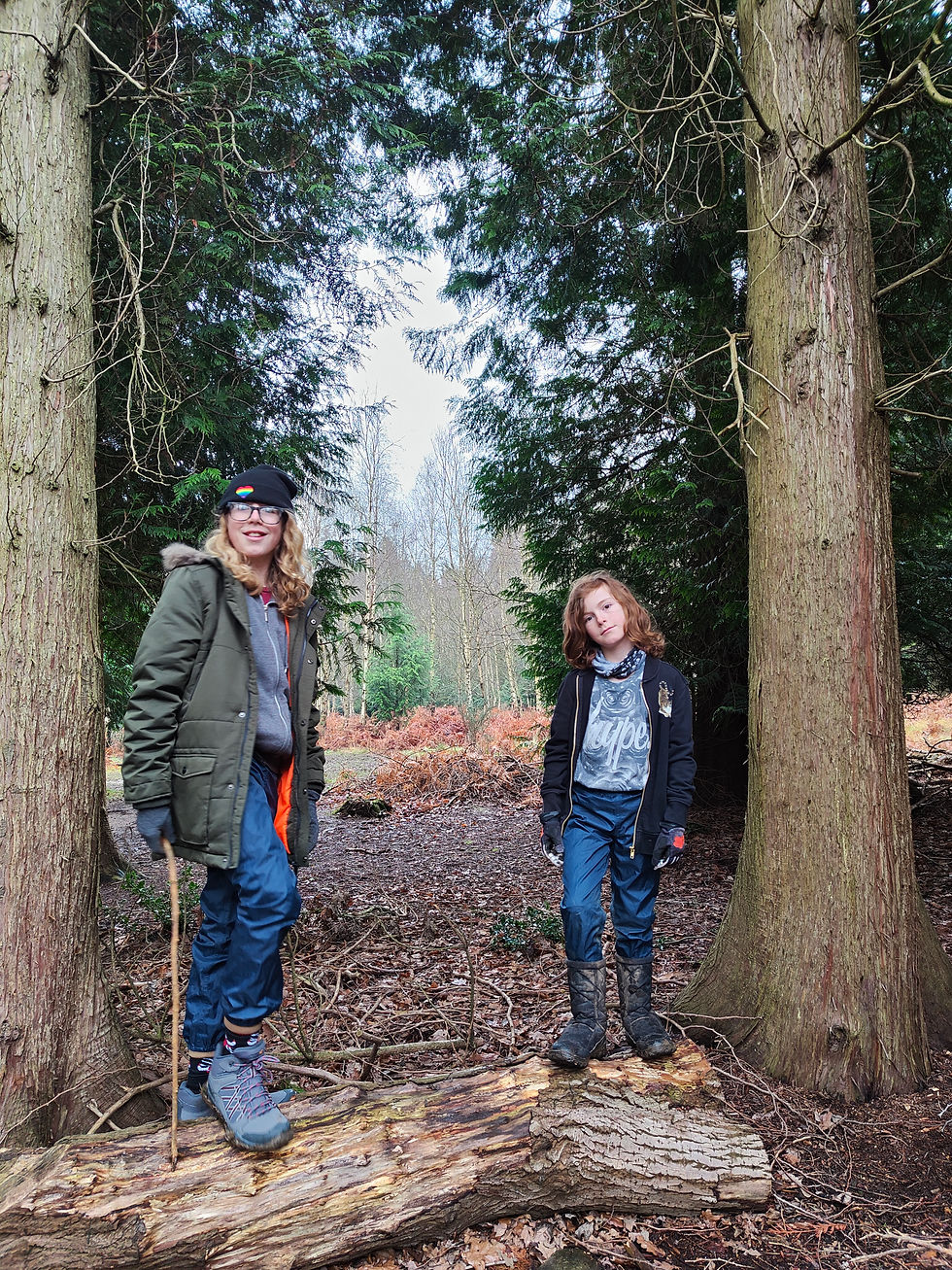
What can you do with this? If you've got grounds, gardens, woodland or even a decent loop of a path, you're sitting on a wellbeing asset and probably marketing it as "free to roam." That's underselling it. The trigger moment here is someone on a Thursday night feeling frazzled and screen-sick, who needs permission to switch off at the weekend. Sell them the calm, not the acreage. Host the sunrise walk, the sketching morning, the run-club-meets-coffee. Make it communal, because the loneliness epidemic means the togetherness is half the value. You don't need a new building. You need to name the moment people are already craving and put a Saturday morning around it.
5. Hushed hobbies, BirdTok and the rise of the niche
This one is really fun, because it rewards the specific over the generic - which is everything I believe about good marketing. 2026 has been declared a year of travel niches, and the data backs it up. GetYourGuide found bookings for workshops up 59%, with 31% of Gen Z preferring to come home with a new skill rather than a souvenir. Birdwatching, of all things, is having a full pop-culture moment and I’m totally here for it - fuelled by #BirdTok, 54% of travellers now say they'd consider it and 45% reckon it's "cool again." Booking.com has named "Hushed Hobbies" a 2026 winner, with a quarter of travellers saying a quiet hobby is reason enough to travel.
And don't sleep on gaming and geocaching. Euronews flagged the rise of "gami-vacations," made more engaging with apps offering missions, quests, badges and rewards. I hate the term but the outlook is spot on.
Geocaching itself runs a proper GeoTour programme for destinations — a trail of caches with a passport, rewards and trackables — and 80% of geocachers are aged 20 to 45. That's a ready-made, gamified visitor journey, and barely anyone in our sector is using it. We absolutely love it and take a little bag of treasures whenever we go on a family walk now.

What can you do with this? The fundamentals of trigger thinking apply perfectly here: a niche audience arrives with intent, urgency and a willingness to travel that a generic "family fun day" will never generate. Look at your site and ask what hobby it could legitimately serve. A bird hide and a beginner's #BirdTok morning. A skills workshop tied to your collection or your craft. A geocaching trail or a quest-style trail with badges to collect - gamifying the visit turns a one-off into a "gotta finish the set." Niche feels risky because the audience is smaller. It isn't. A small audience that desperately wants exactly what you offer will out-convert a big audience that's mildly interested every time.
The One Hour Wonder
Just because we're tight on time doesn't mean we don't want to maximise a trip. So a short 60 minute experience pre dinner or squeezing in something before we head back to the train station is super popular. It also feels low commitment and low stress as it's typically short and budget friendly. How can you take an existing 2 or 3 hour product and make it much snappier?
The golden tourism thread that ties it all together
If you read those five back to back, the same thing runs underneath every one: nobody is marketing to a demographic any more, and the brands still doing it are losing. They're marketing to a moment. The fan who needs their tribe. The frazzled parent who needs permission to switch off. The hobbyist who's found their people. The Gen Z planner building a weekend around one anchor experience they saw, fell for, and booked inside the same app.
Your 2027 job isn't to chase all five trends. It's to look honestly at what you've actually got, find the one or two moments your place is genuinely built to serve, and get brilliantly clear about them. That's it. That's the whole strategy. Specificity is the differentiator. Everything else is noise.
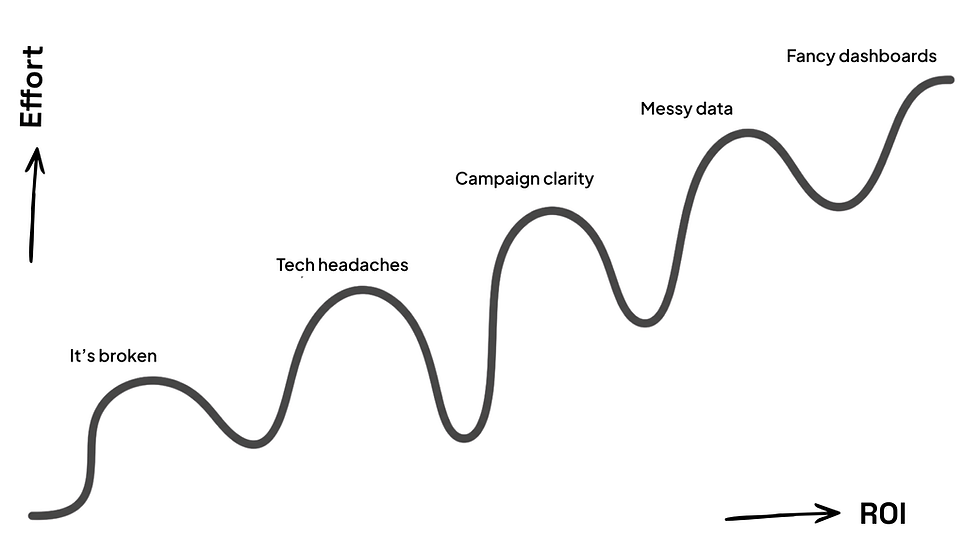
Sort that messy middle which is the gap between what you think you offer and the moment your visitor is actually in and 2027 looks a lot more promising than the headline visitor numbers suggest.
2026 / 2026 interests that will influence days out further
These are the hobbies and loves that will also help to shape our decision making
Retro and nostalgia - basically anything 1990s
Food tours - properly curated guided experiences that give us confidence to walk into eateries we never would normally to enjoy local traditions with the subtle help of someone who knows exactly how to order, what to order and how to eat it.
AI guides - avatars and characters personalised to your choices that show you around buildings, museums and public spaces.
Robot and drone shows - think watching robots run a race or do a dance routine, drone light shows and proper sci-fi entertainment.
Immersive retail experience as a hybrid - think small scale versions of bigger parks and attractions in shopping centres combined with retail opportunities - driven by popular IP and Netflix shows, this could be a Stranger Things Arcade or a Bridgerton tea room.
Hushpitality - I know right. But the idea of going somewhere that's totally silent does in fact appeal to me and many others. The practicalities I'm not so sure about.
Noc-tourism - star gazing....again I'm already sold - if someone can guarantee me mild weather, clear skies and somewhere comfy to lie.
Sources & further reading


Comments